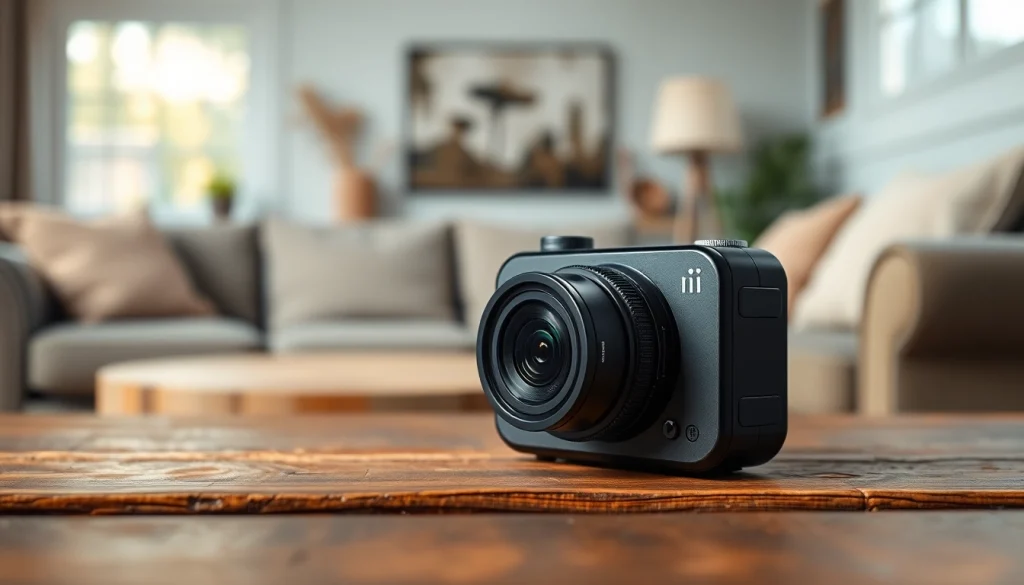
Understanding Mini Caméras
What is a Mini Caméra?
A mini caméra, or mini camera, is a compact and portable video recording device that has gained immense popularity due to its versatility and ease of use. Typically designed to be lightweight and small, these cameras allow users to capture high-quality footage without the bulk of traditional camcorders. This makes them perfect for a wide range of applications, from personal use for vlogging and travel documentation to more specialized uses like surveillance and security. Mini cameras can vary in their features, quality, and functionalities, making them suitable for both casual users and professionals.
Key Features to Look For
When choosing a mini camera, certain features can significantly enhance your user experience. Here are key aspects to consider:
- Video Quality: Look for cameras that offer at least 1080p resolution for clear and detailed recordings. Some advanced models even support 4K video.
- Battery Life: Since mini cameras are often used for extended periods, long battery life is crucial. Some models feature rechargeable batteries that last several hours.
- Storage Options: MicroSD slots are vital for storing recorded footage. Check the maximum storage capacity supported.
- Connectivity Features: Wi-Fi and Bluetooth connectivity can enhance functionality, allowing for easier transfers of files and live streaming.
- Portability: The size and weight of the camera play a crucial role in determining how easily it can be carried around.
Types of Mini Caméras Available
Mini cameras come in various types, each serving different purposes:
- Body Cameras: Often used by professionals for law enforcement, these cameras allow for hands-free recording. They are typically worn on the body.
- Spy Cameras: These discreet cameras are designed for covert surveillance and can be hidden in everyday objects.
- Action Cameras: These cameras are built for adventurers, providing rugged durability and high-definition recording for activities like mountain biking or surfing.
- Webcams: Mini webcams are typically used for streaming and video conferencing. They offer good video quality in compact sizes.
Benefits of Using a Mini Caméra
Portability and Convenience
One of the most significant benefits of mini cameras is their portability. Their small size allows users to easily carry them in a pocket, purse, or backpack, making them ideal for traveling or spontaneous recording moments. Whether you’re capturing family vacations, documenting a nature hike, or filming a performance, the convenience of a mini camera cannot be overstated.
High-Quality Recording in a Compact Size
Advancements in technology have allowed mini cameras to record high-resolution videos without compromising quality. Many mini cameras now offer features like image stabilization, low-light performance, and high frame rates, which contribute to producing stunning video footage. This capability is perfect for anyone who wants to capture life’s moments without the bulk of traditional cameras.
Suitable Use Cases for Mini Caméras
The versatile nature of mini cameras lends itself to a variety of use cases:
- Vlogging: Content creators utilize mini cameras to produce engaging video blogs due to their lightweight and unobtrusive design.
- Surveillance: Mini cameras can help monitor premises for security reasons, be it in homes or businesses.
- Travel Documentation: Whether you’re traveling across the globe or just documenting a local excursion, a mini camera can provide high-quality recordings without weighing you down.
- Sports and Action Activities: Designed to withstand tough conditions, action mini cameras are perfect for filming extreme sports or outdoor activities.
How to Choose the Best Mini Caméra for Your Needs
Evaluating Camera Specifications
It’s crucial to evaluate the specifications of different models before making a purchase. Key features to consider include:
- Sensor Size: A larger sensor typically captures better quality images and performs well in low light.
- Frame Rate: For video, look for options with variable frame rates, such as 30 or 60 fps, ensuring high-quality motion capture.
- Lens Options: Some mini cameras allow for interchangeable lenses, giving you flexibility based on your shooting needs.
Budget Considerations
Like any technology, mini cameras can vary greatly in price. Set a budget and prioritize features that are essential based on your needs. Remember that while a more expensive camera may offer features such as better video quality and longer battery life, there are also plenty of budget-friendly options that provide great performance.
Brand Recommendations
Some reputable brands in the mini camera market include:
- GoPro: Known for high-quality action cameras, GoPro offers rugged, waterproof designs perfect for sports enthusiasts.
- DJI: Their Osmo series is well-regarded for stabilization and video quality, making it ideal for vloggers and filmmakers.
- Garmin: Offers a range of action cameras that are both compact and feature-rich, suitable for various activities.
- Canon: Their compact vlogging cameras offer high-quality optics and video options at a reasonable price.
Common Concerns and Regulations
Legality of Using Mini Caméras
As with any recording device, using a mini caméra raises legal considerations. It’s essential to understand the laws surrounding surveillance and privacy. In general, recording in your own home or public spaces is allowed, but it becomes illegal in private spaces without consent, such as bathrooms or locker rooms.
Privacy Considerations
Using a mini caméra responsibly is critical. Be mindful of the ethical implications of recording others without their knowledge. Not only can it breach trust, but it may also have legal repercussions. It’s always advisable to disclose the use of a camera in public or private settings when privacy expectations exist.
Tips for Ethical Usage
To ensure you are using your mini camera ethically, consider the following:
- Inform Others: Whenever possible, inform individuals that they are being recorded.
- Be Transparent: If using the camera for personal security or surveillance, be upfront about your intentions wherever applicable.
- Respect Boundaries: Always respect areas where privacy is expected; avoid recording in sensitive areas.
Maintaining Your Mini Caméra
Best Practices for Care and Storage
Taking care of your mini caméra ensures its longevity and optimal function. Here are some best practices:
- Cleansing: Regularly clean the lens using a microfiber cloth to maintain clarity.
- Safe Storage: Store the camera in a protective case when not in use to prevent physical damage.
- Battery Maintenance: Discharge batteries completely before charging, and avoid letting them remain uncharged for extended periods to prolong battery life.
Software and Firmware Updates
Keep your mini caméra’s software and firmware updated to ensure it operates smoothly and securely. Manufacturers frequently release updates that fix bugs, enhance features, and improve performance. Regularly check the manufacturer’s website or app for updates relevant to your model.
Troubleshooting Common Issues
Even with proper maintenance, issues may arise with your mini camera. Common problems include:
- Connectivity Issues: If the camera is not connecting to Wi-Fi or mobile apps, try resetting the device and re-establishing the connection per the manufacturer’s instructions.
- Storage Full Errors: If you encounter storage issues, transfer the data to an external hard drive or clear unwanted files from your device.
- Low Battery Life: If the battery drains quickly, it might indicate a need for replacement or that background applications need to be closed to conserve energy.